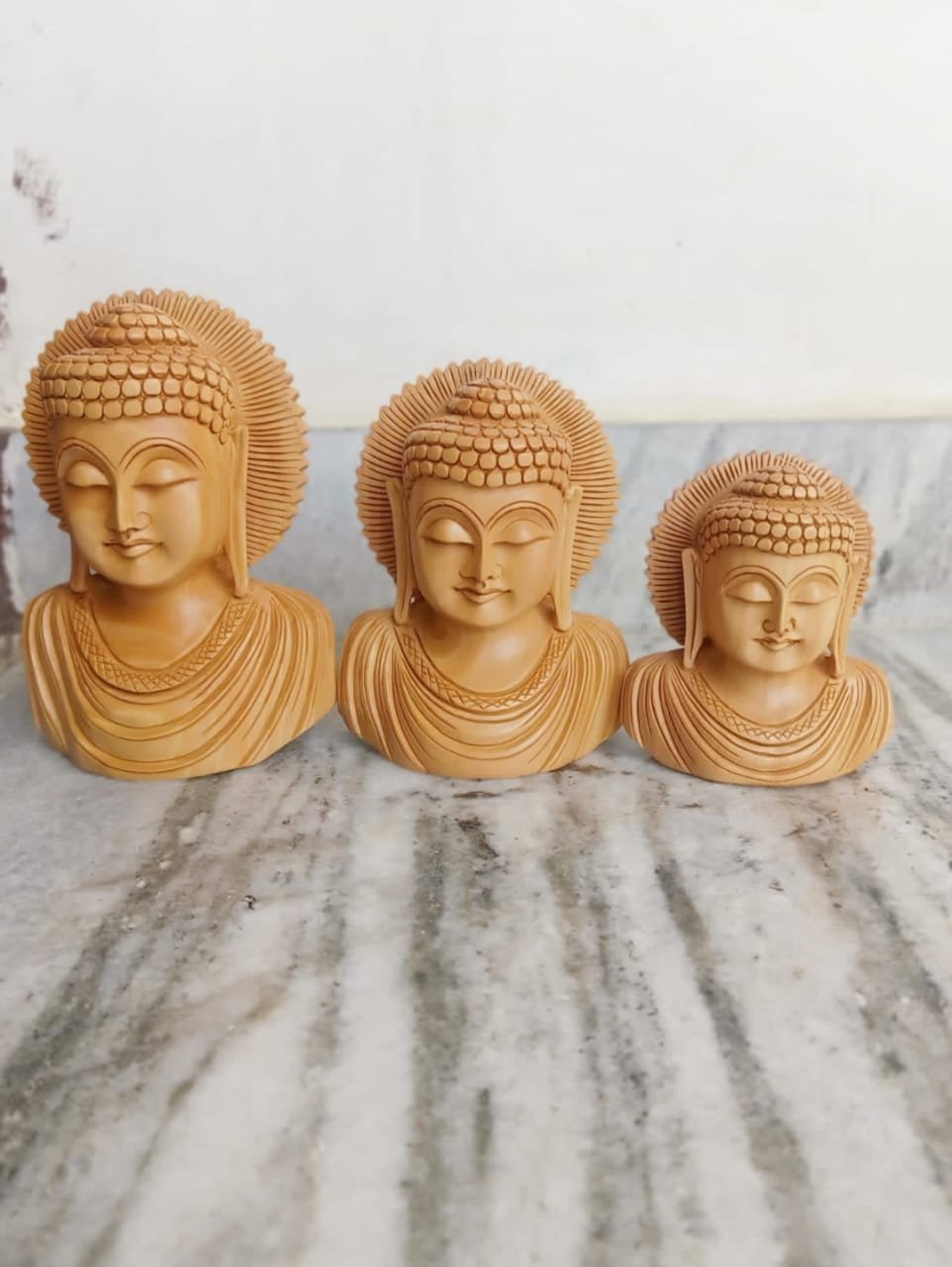
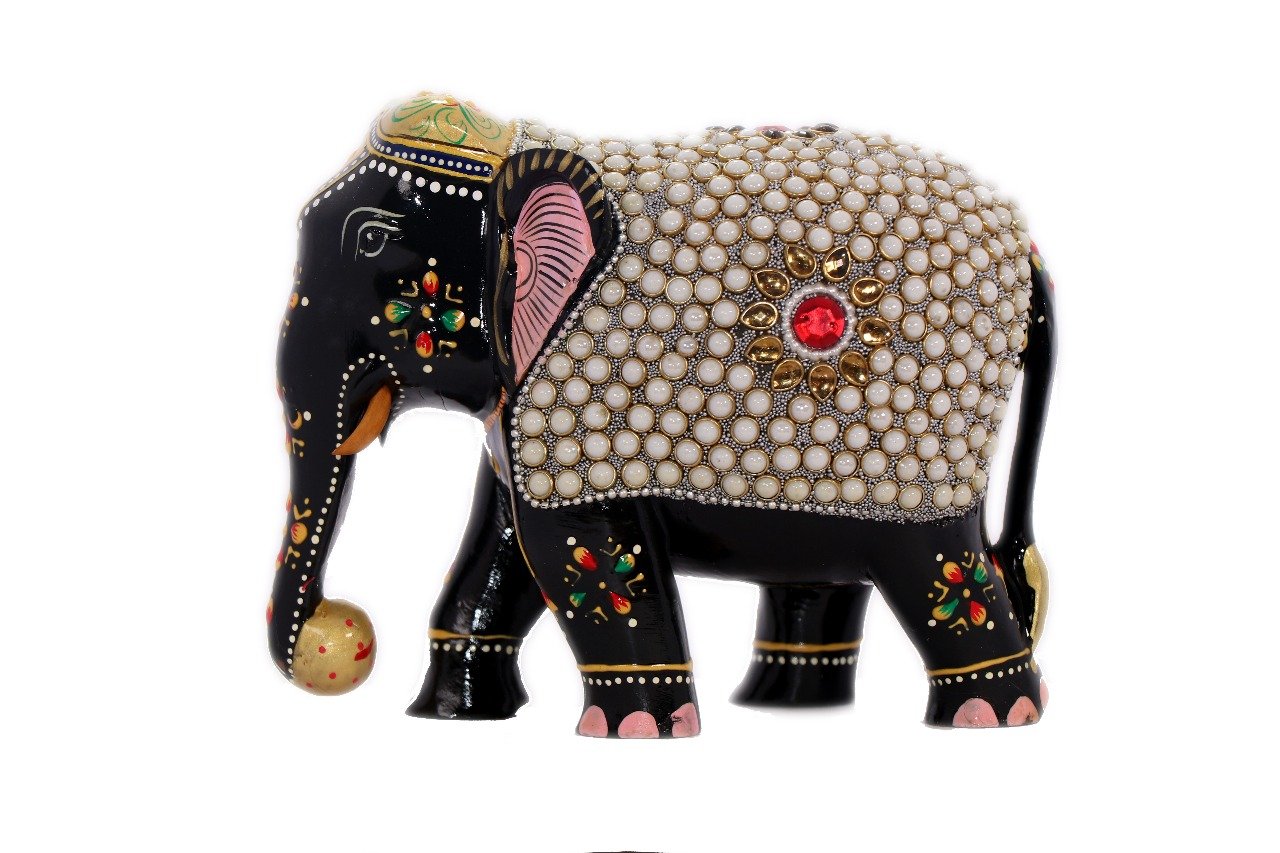
Indian wooden handicrafts are a testament to the country’s rich artistic heritage and skilled craftsmanship, with a history that dates back to the Indus Valley Civilization. These products are more than just decorative items; they are a blend of tradition, utility, and aesthetic beauty, often passed down through generations of artisans.
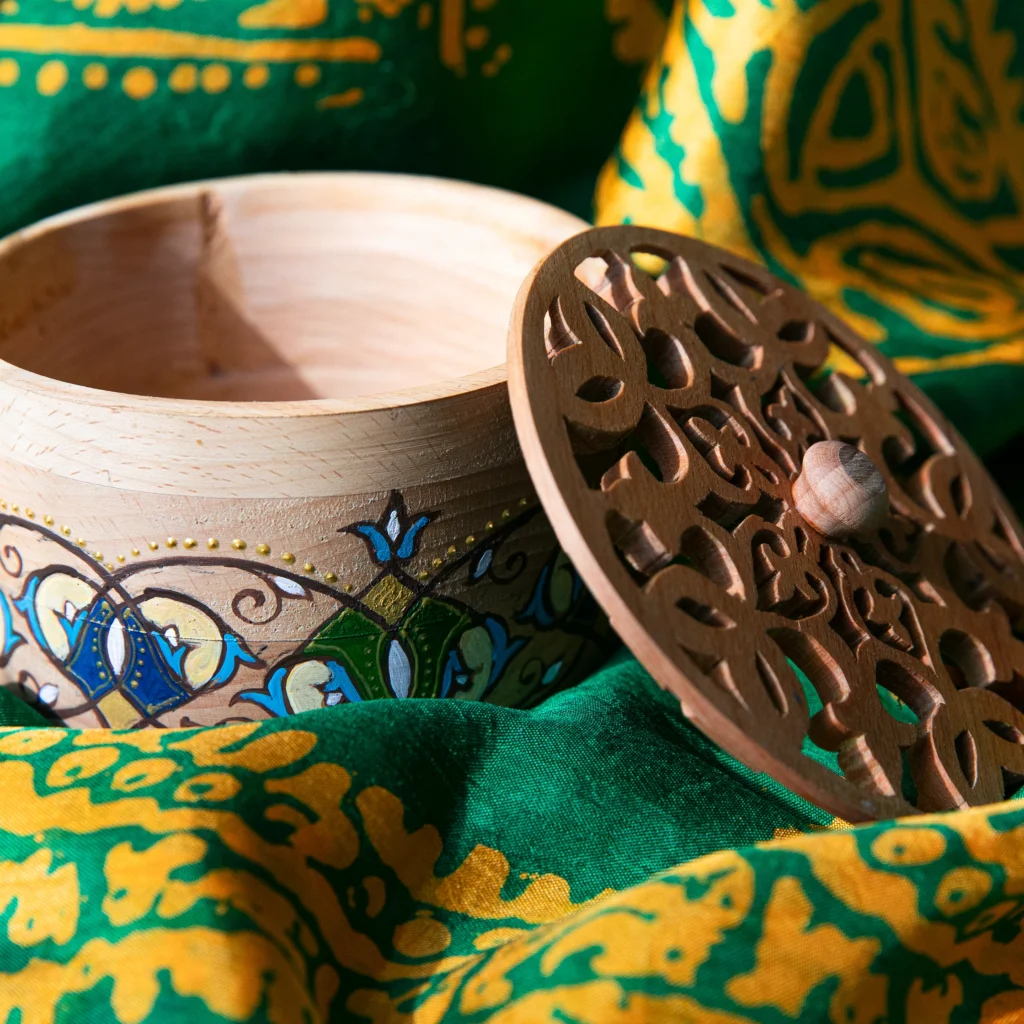
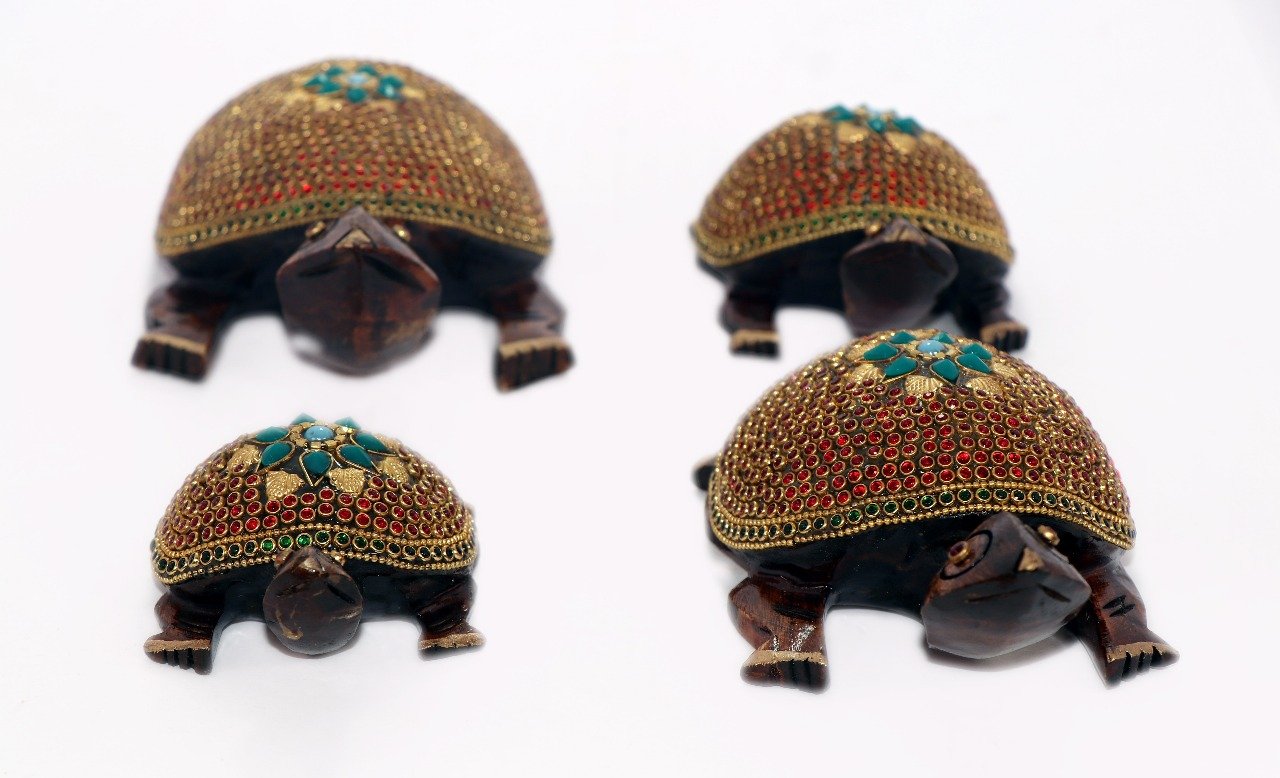
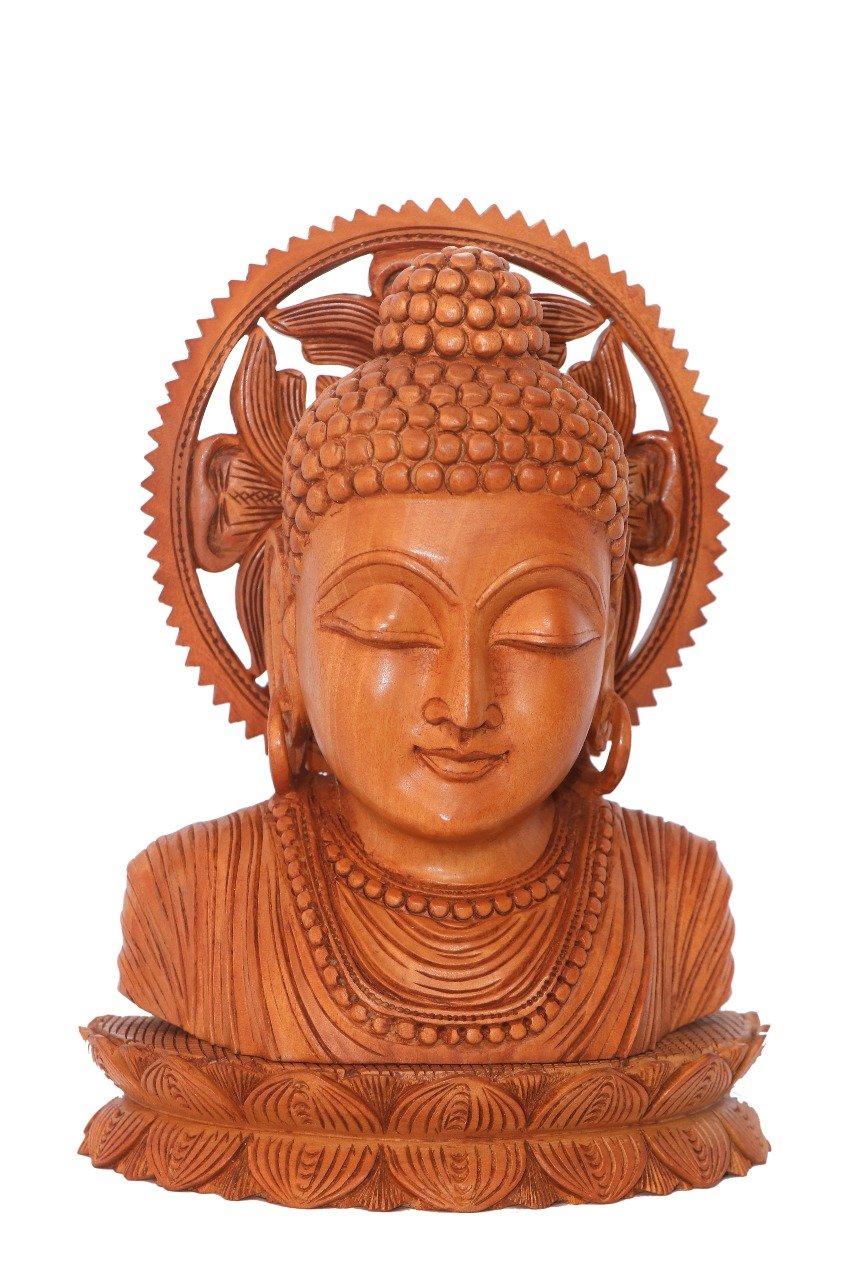
The variety of Indian wooden handicrafts is immense, reflecting the diverse cultures and traditions across the country. They range from intricately carved figurines of deities and animals to functional home decor items like furniture, boxes, and utensils. Artisans use a variety of woods, including teak, sheesham (Indian rosewood), sandalwood, and mango wood, each chosen for its unique properties and grain.

Some of the most well-known styles include the delicate inlay work of Hoshiarpur, where different materials are embedded into wood to create patterns, and the vibrant, lacquered wooden toys from Channapatna in Karnataka, which have earned a Geographical Indication (GI) tag. The woodwork of Kashmir is famous for its intricate mesh-worked windows called “Pinjara” and finely carved furniture. Other notable examples include the elaborate carvings from Saharanpur in Uttar Pradesh and the ornate furniture from Gujarat.
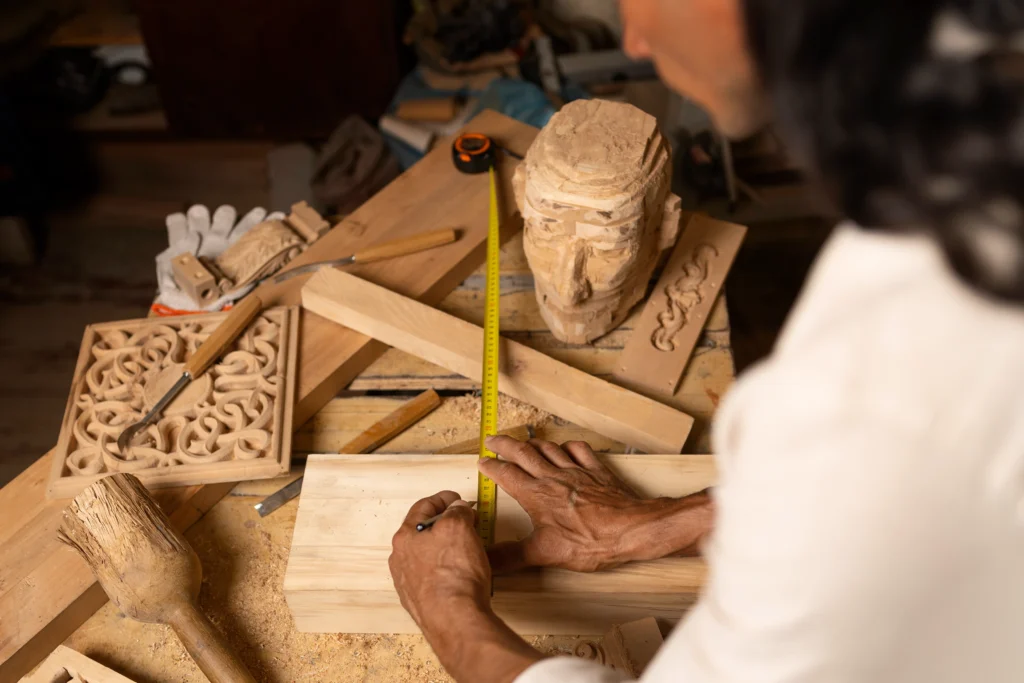
The creation of these handicrafts is a labor-intensive process, involving traditional hand tools and techniques. This dedication ensures that each piece is unique and carries a rich cultural significance, making Indian wooden handicrafts highly sought after both within the country and in international markets.